
The Natural World as Adversary
A Journey to the Centre of the EarthThis thread traces the changing forms of natural danger, from Icelandic weather and unstable rock to prehistoric creatures and volcanic force.
increasing Bearing strength in each event
 decreasing
Bearing strength in each eventdecreasingIcelandic Weather
Icelandic Weather
Terrain resists travel
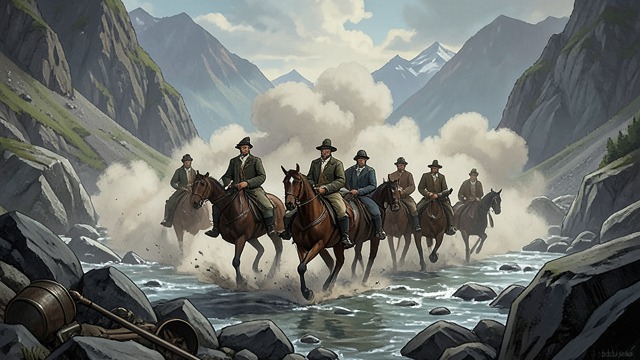
The travelers cross marsh, lava, fjords, and difficult ground where familiar roads are absent. Iceland’s landscape repeatedly dictates their pace, regardless of Professor Hardwigg’s desire to hurry.
Hans recognizes the limits of the horses and waits for safe conditions at a fjord. His local judgment prevents impatience from becoming an avoidable accident.
A warning in the mist
A moving cloud of pumice and dust threatens the climbing party on Sneffels. Hans leads them away from its path before the storm reaches their resting place.
The natural world is neither merely scenery nor a passive setting; it demands observation and respect from those who cross it.
Rock That Guides and Traps
Rock That Guides and Traps
The mountain’s architecture
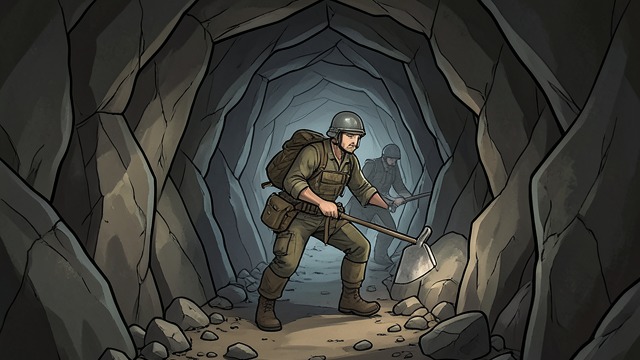
Volcanic formations provide steps, ledges, tunnels, and openings that make underground travel possible. The travelers read the structure of the rock as both geological evidence and a potential route.
The same formations can become unstable, confusing, or impassable. A wrong passage ends at a wall, and another tunnel is eventually sealed by a fallen block.
Dependence without mastery
Tools and geological knowledge help the party move through rock, but they cannot ensure that a passage continues or remains safe. The explorers repeatedly discover that the earth’s architecture was not built for their convenience.
Their progress depends on responding to natural structures rather than controlling them.
Creatures of the Central Sea
Creatures of the Central Sea
Wonder becomes threat
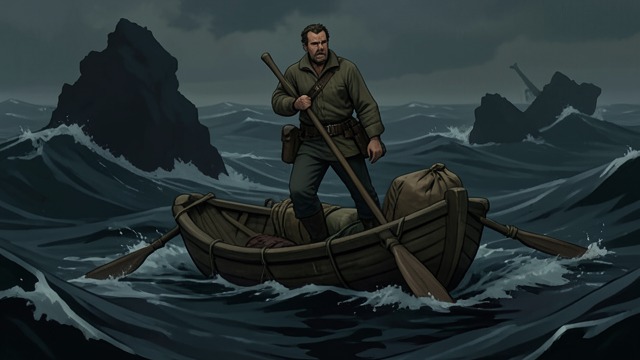
The Central Sea supports blind fossil fish and other unfamiliar life, while giant seaweed makes the water seem populated even beyond the visible horizon. Scientific curiosity turns into alarm when enormous marine reptiles appear.
The Ichthyosaurus and Plesiosaurus fight near the raft, raising waves capable of capsizing the travelers. Hans’s restraint prevents Henry from firing at the creatures and provoking greater danger.
A fragile human scale
The conflict between prehistoric animals makes the travelers seem physically insignificant. Their raft offers little protection against bodies and forces vastly larger than their own.
The sea’s discoveries are inseparable from the risk of encountering living creatures that science had treated as vanished.
The Storm’s Force
The Storm’s Force
Weather overwhelms planning
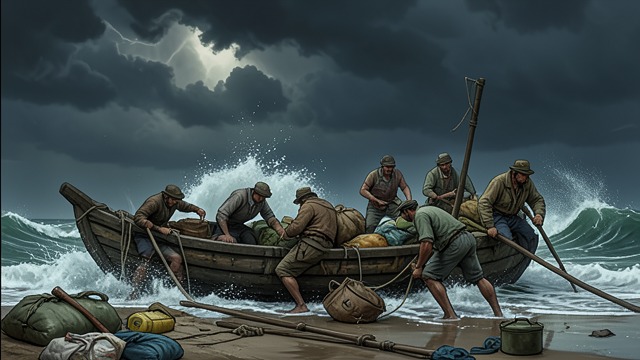
Electric clouds gather over the Central Sea, and the wind rises into a violent storm. The raft is driven at great speed while the travelers struggle to stay on board and communicate.
A globe of fire magnetizes the raft’s iron and contributes to the compass reversal. The storm does not merely threaten their lives; it also corrupts the evidence they will later use to reconstruct their route.
A shipwreck and return
The raft is eventually cast onto a shore after days of extreme weather. Hans saves much of the cargo, but the travelers discover that they have been carried back toward a familiar region.
Natural force brings both loss and opportunity: the storm wrecks the plan, yet deposits the party near Saknussemm’s next trace.
The Eruption’s Bargain
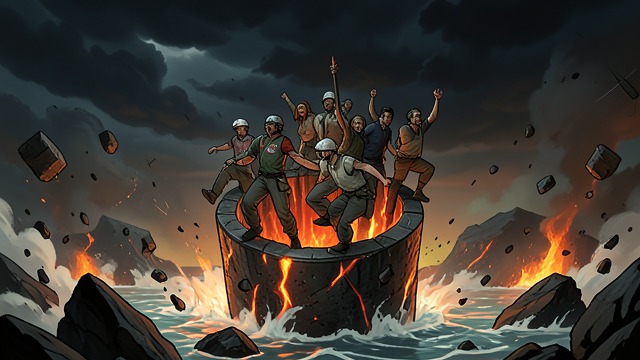
The Eruption’s Bargain
A deadly means of escape
The flood carries the travelers into an active volcanic conduit. They rise amid boiling water, burning heat, falling debris, and intermittent bursts of upward force.
Professor Hardwigg calls the eruption their remaining chance of escape, but the same process could kill them. Nature offers a route to the surface only through a danger the explorers cannot direct.
Survival without command
The travelers are carried upward and finally expelled onto Stromboli. Their return is real, but it is not a controlled victory over volcanic power.
The eruption resolves the immediate crisis by making human intention secondary to the forces it unleashed.
June, from the overland crossing to the mountain ascent
From late June through the blocked passage in August
August 18, during the combat at sea
From the first storm signs to the landing on the northern shore
During the final upward passage and arrival on Stromboli
